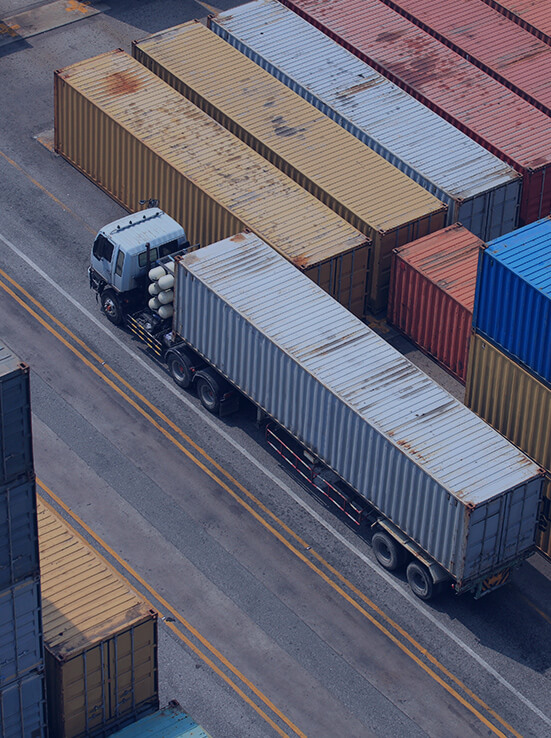

Ream Can Inc was founded in Vancouver, British Columbia, with a single storage yard and a fleet of just 50 used containers. The company’s initial focus was supplying local construction firms and small businesses with affordable, wind- and water-tight storage units. By year’s end, Ream Can had earned a reputation for clean units and straight-talking service.
Logistics is generally the detailed organization and implem entation of a complex operation. In a general business sense, logistics is the management of the flow of things between the point of origin and the point of consumption

Ream Can opened its second depot in Calgary, Alberta, bringing container sales and rentals to the booming energy and agricultural sectors. The company crossed a major milestone, selling its 1,000th container. This expansion established the east-west logistics backbone that would define the company’s reach.
Logistics is generally the detailed organization and implem entation of a complex operation. In a general business sense, logistics is the management of the flow of things between the point of origin and the point of consumption
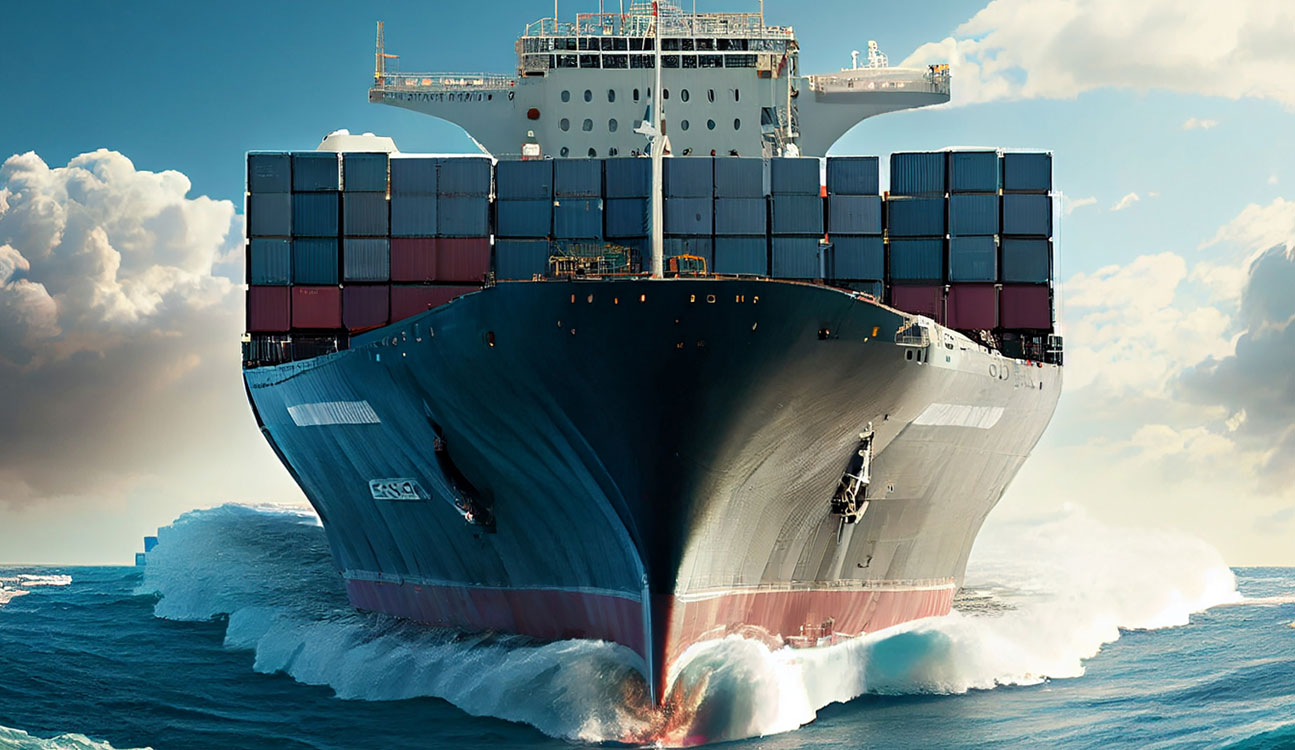
The company launched operations in the Greater Toronto Area, marking its entry into Canada’s largest market. Ream Can also introduced “one-trip” containers to its fleet, offering near-new units for clients demanding pristine condition. The container fleet grew to over 5,000 units, serving customers from Halifax to Vancouver Island.

Logistics is generally the detailed organization and implem entation of a complex operation. In a general business sense, logistics is the management of the flow of things between the point of origin and the point of consumption